Introduction
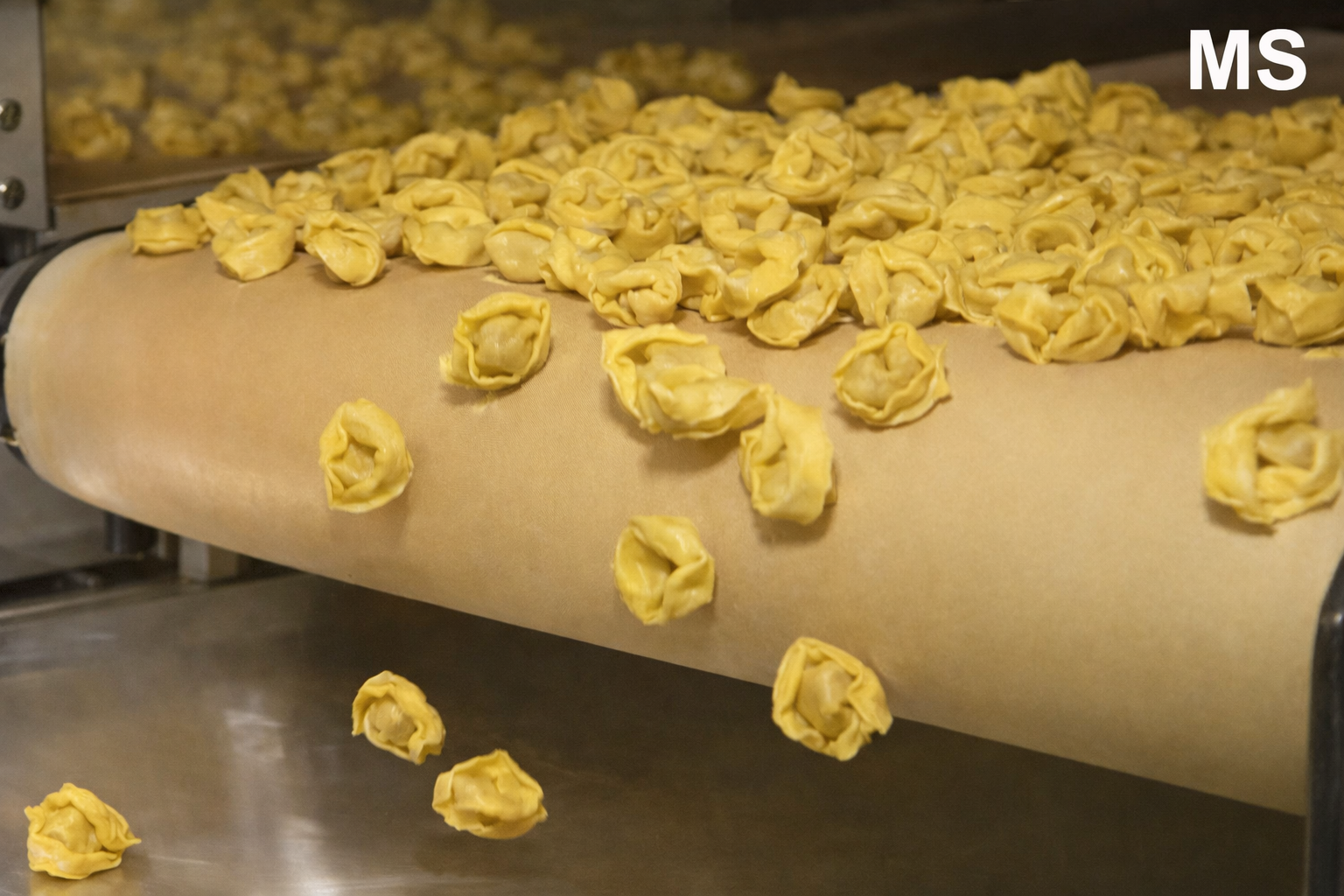
Tortellini, a ringer-shaped pasta native to Italy’s Emilia-Romagna has been delighting food lovers for centuries. Making tortellini traditionally by hand requires a phenomenal amount of expertise, patience and experience. Every tiny parcel has to be rolled out thin, cut out with precision, filled up meticulously, and folded into its characteristic shape — a laborious chore that even seasoned pasta-makers struggle with and is never undertaken lightly. Enter the tortellinatrice: an ingenious contraption that promises to introduce speed, uniformity and accessibility to the art of tortellini making.
Whether you are a home cook who wants to capture real Italian flavor, a small pasta shop looking to increase production, or a large industrial manufacturer interested in industrial efficiency, this has changed the way tortellini is made worldwide. In this article, we cover all you need to know about this amazing device, including how it works, its historical background, practical applications and benefits, as well as what the future of pasta technology holds.
How a Tortellinatrice Works
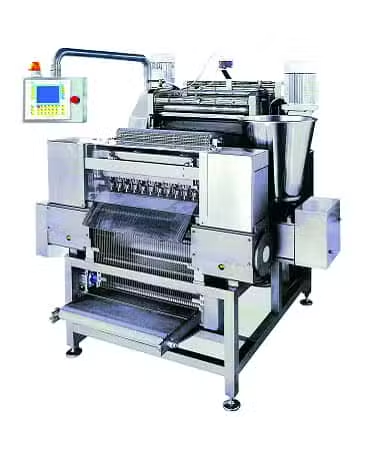
A tortellinatrice is a multi-function machine for the processing of tortellini. Essentially, the device brings a fresh pasta dough through a set of built in operations. First the dough is pressed through sets of rollers that work it into a thin, even sheet. The sheet is then brought to a filling station, where a pre-measured portion of filling — typically a meat, cheese, or vegetable mixture — is dispensed in regular intervals. The dough is then cut into squares or circles of the appropriate size by the machine, each piece is folded around the filling and the edges are joined to form the classic tortellini ring shape. Advanced machinery can perform all these steps in one continuous action, producing tens, or even hundreds, of perfect tortellini each minute. The accuracy built into these machines makes every piece the same size, weight and look — a uniformity that is extremely difficult to attain by hand in large quantities.
Why Use a Tortellinatrice?
The value of a tortellinatrice is above all the time and effort it allows you to save, with no loss in quality. Hand-making tortellini is a labor of love — an expert can rarely make more than a few hundreds pieces an hour, while a machine can multiplies that amount many times. For restaurants and pasta shops with large volumes of customers, that speed isn’t just nice to have; it’s critical to making a profit.
Moreover, the tortellini made by the machine is very uniform. They all have the same amount of filling, the dough is the same thickness, and they all have the same shape. This is especially important for cooking, as for heat transfer and cooking time predictability. From the brand perspective, consistency equates to happier customers and reduced waste.
Choosing the Right Tortellinatrice
Which tortellinatrice to choose depends on your needs, production capacity and cost. The machines vary in size from bench top versions for home or small artisan operation to very large, industrial units making thousands of pieces an hour. Important elements to take into account are:”producing capacity and the range of pasta shapes that can produce, how easy to clean and maintain and if spare parts and technical service is available.
For the home or small scale operation, a semi-automatic machine that still demands some manual handling can turn out to be the most economical and sensible option. On the other hand, fully automatic machines with programmable options, digital controls and the ability to handle a variety of doughs and fillings are more appropriate for large producers. Also, browse through some of the machines made by reputable italian firms with pasta-making tradition for generations.
Historical Context: From Handmade to Machine-Made
Tortellini originates from medieval Italy, with its earliest written records found in 12th-century documents from the towns of Bologna and Modena. For almost all of its history, tortellini was a handicraft, made by mothers and grandmothers and passed down as family traditions and secrets. The form itself was inspired by Venus’ navel, a representation of the profound cultural and artistic connection between the Italian food tradition and Italian art.
The mechanization of pasta-making was initiated largely in the 19th and beginning of the 20th centuries, in response to the demand of an expanding urban population. The original pasta machines concentrated on simple shapes like penne and spaghetti, but as technology developed, they took on more intricate filled pastas. Early tortellinatrici were being designed and built in Italy by the mid 20th century, thus opening the door for changing the whole concept of pasta confection and making the taste of true tortellini available well beyond the markets of Emilia-Romagna.
Applications in Restaurants, Pasta Shops, and Industry
The tortellinatrice is utilized in a variety of food industries. Now on these machines the art rolled traditional shop (pastificio) artisan could retain the high quality of their products without that forced modern guest who is asked fresh pasta on table so wait for possible. The machines allow talented employees to spend more time working on recipes, quality, and customer service and less time bent over folding by hand.
Restaurants (especially those with pasta programs) purchase tortellinatrici to help them keep a regular supply of fresh tortellini on their menus. In the manufacturing of commercial food, large machines are the essential element of the pasta production industry, creating products for grocery stores, food services suppliers, and export markets worldwide. This broad array of uses is a testament to the flexibility of the machine and the global appeal of good tortellini.
Benefits of Using a Tortellinatrice
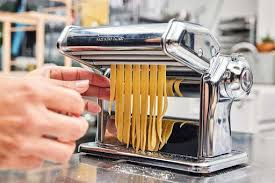
The advantages of a tortellinatrice go far beyond the mere speed. Size consistency is one of the biggest positives: machine-made tortellini are all the same size, and filled with exactly the same amount of filling, so you get consistent cooking times and portion sizes. This consistency is a great weapon for any business that needs to manage food costs and customer expectations.
Cleanliness is another benefit. They are made of stainless steel and are easy to dismantle and clean; that fulfills the highest requirements of hygiene. There is less chance of cross contamination as there is more handling of the dough in the manual process. Furthermore, by minimizing manual labor, the physical burden on employees is reduced, and the risk of repetitive strain injuries from the hand-intensive activities of traditional tortellini-making is mitigated.
Popular Uses for a Tortellinatrice
While the tortellinatrice recalls consistently classic tortellini, a lot of type can adapt to manufacture a number of stuffed pasta forms, like tortelloni the larger cousin of tortellini, cappelletti and other solutions often based on territory. This versatility makes the purchase of a good machine even more interesting for companies that want to expand into new products.
Not only traditional Italian ones, but stronger tortellinatrici are also being used to develop fusion pasta products, using nonconventional fillings (like Asian inspired ingredients, vegan and plant-based options and even sweet ones for commitment desserts). This flexibility typifies the machine’s function — preserving tradition, but allowing the culinary creativity of consumers and producers.
Maintenance and Care
Maintenence is necessary to maintain the tortellinatrice in full efficiency and working for a long time. The product and utensil should be cleaned right after use to prevent any dough or filling residue that might contaminate the food or damage the machine. There are easy disassembly functions built in most machines for you to wash the removable parts.
A good maintenance program includes regular lubrication of moving parts, checking wear on cutting blades and rollers, and having the machine professionally serviced on your end users schedule. Having a stock of critical spares parts like cutting dies, sealing rings, etc., can significantly help to reduce your downtime in reactive maintenance. Manufacturers usually offer comprehensive maintenance instructions and often they provide service contracts and/or training for commercial operators.
Challenges and Considerations
For all the benefits, tortellinatrici do still have their quirks. The up-front cost can be high, especially for quality industrial equipment. Even so, small-scale producers have to think carefully about whether the efficiency benefits make the upfront cost worthwhile. Also, machines need a certain level s of technical expertise to be managed and maintained properly, source said staff training is a significant investment.
Dough consistency required is also very important for machine running. Fresh pasta dough for machine processing typically must be formulated differently than hand-rolled dough, with specific hydration and rest timing to allow for good feeding and forming. Modifying traditional family recipes to run on a machine may involve trial and error and be difficult for artisans whose beliefs are so entrenched in their original methods.
Authenticity in Italian Cuisine
The traditional pasta-making with the use of machines elicits all sorts of question about authenticity. Purists maintain that real tortellini is shaped by hand to retain those minuscule imperfections and personal nuances that characterizes the true artisan pasta. In Bologna, the tortellini’s spiritual home, the recipe for genuine tortellini is both regulated and a point of pride to be made by hand.
Yet many contemporary Italian pasta makers and food writers are less idealistic. They said that “authenticity is mainly about the quality of the ingredients, following traditional recipes and respecting the culinary heritage — and not only the technique of making, but in the overall production method.” When matched with great dough and authentic fillings, a tortellinatrice can deliver pasta that celebrates the Italian tradition and at the same time brings it within reach of a much larger audience than hand-production alone ever could.
The Future of Pasta-Making
A fusion of technology, sustainability and consumer trends is shaping the future of pasta production. Intelligent machines with AI and sensors are now being introduced in the market and are able to self-adapt to variations in dough consistency and environmental conditions. These advancements are expected to bring even more waste reduction, energy efficiency and consistency to the end product.
Sustainability also is influencing how pasta is made. Producers are testing machinery that can efficiently handle an alternative flours — like those made from legumes or ancient grains — that use less water and energy. With business increasingly focusing on plant-based diets, being able to roll out vegan-filled tortellini at scale is becoming a key capacity for food companies.
Future Trends in Tortellini Production
In the future, a number of trends will likely shape the development of tortellini making. Digitalisation and Industry 4.0 solutions contribute to this trend by offering pasta machinery with a design for the real time monitoring and remote management, with a decreasing need of technical staff on site and with the capacity to carry out predictive maintenance, avoiding downtimes. This connectedness is making pasta production less of a craft and more of a data-driven pursuit.
Personalization is also an emerging trend. With the growing consumer demand for customized food experiences, in the future tortellinatrici could feature quick change-over between different shapes, sizes and fillings based on digital recipe for mass-custom production. 3D food printing technology may eventually serve as a complement to or integrated within traditional pasta machines, though this is very much an early stage.
Conclusion
The tortellinatrice is one of the culinary world’s most successful unions of tradition and technology. By mechanizing the complex art of tortellini-making, it has made one of Italy’s most cherished dishes more accessible while streamlining operations for businesses that rely on it. In the kitchen of the home cook or on the production lines of multinational pasta manufacturers, these devices have revolutionized the preparation of tortellini around the world.
As technology continues to progress, the tortellinatrice will be even more elaborated (with more intelligence, sustainability and versatility). But its core task will be unchanged: striving to spread the pleasure and pride of perfect, real tortellini on dining tables worldwide. Whether you worship the hand-folded craft tradition or bow to the mechanized Machiavellian efficiency, once you start using a tortellinatrice, it is impossible to overestimate the impact it has had on allowing this age-old pasta to not just survive but really prosper in this century.
FAQs
What is a tortellinatrice?
Tortellinatrice is a particular machine to produce the string of tortellini, the traditional Italian ring sweet pasta with filling. Dough rolling, filling dispensing, cutting, shaping and sealing in one homogenous process.
Can a tortellinatrice be used at home?
Sure. There are, however, semi-automatic compact tortellinatrici on the market that are intended for use in the homes of small artisan producers and home cooks wishing to produce fresh tortellini more efficiently without the drudgery of folding by hand.
Does machine-made tortellini taste as good as handmade?
With a good dough and real stuffing, tortellini produced by a machine can taste and feel almost identical to the homemade one. It’s really the ingredients and the traditional recipes that you need to follow à la production method do matter!
How often should a tortellinatrice be cleaned?
A tortellinatrice must be cleanse thoroughly after every use to avoid build up of dough and contamination of bacteria. Regular deep cleaning and professional maintenance from time to time are also advised in order to maintain the machine in perfect working condition.
Can a tortellinatrice make other pasta shapes?
Many tortellinatrice machines are multipurpose and can make other filled pastas forms as tortelloni, cappelletti and regional varieties according to the model and the accessories. Certain models can also be converted to make fusion pasta products with unconventional fillings.
About the Author