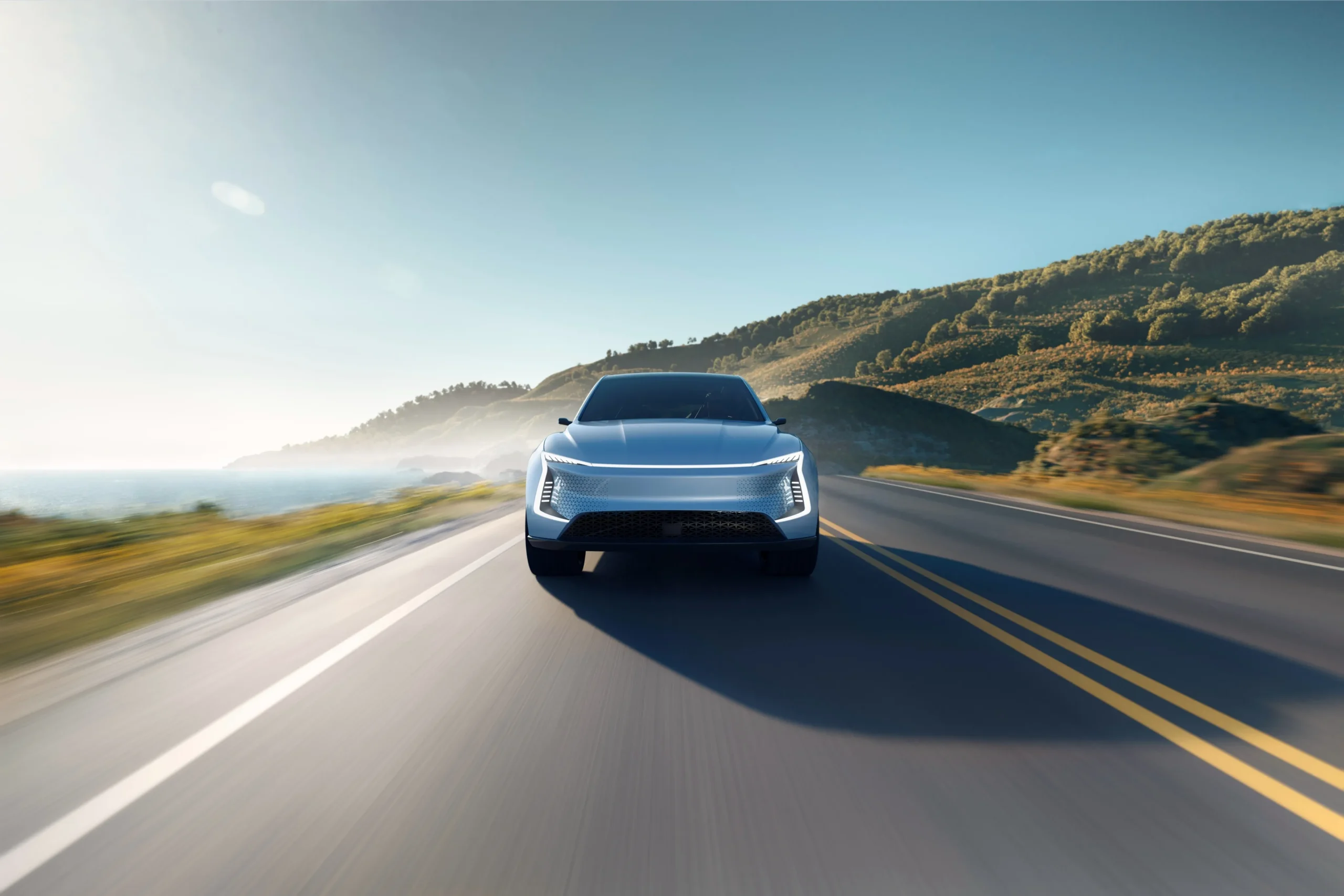
Electric vehicles have smooth acceleration, are quiet, and have generally lower running costs. But one feature that lots of drivers don’t use or even know about is driving modes. These settings have a noticeable effect on battery life, energy usage, and total distance travelled. If you have or are considering the Cadillac Lyriq, knowing how each driving mode affects your battery can enable you to go further and drive smarter. Let’s take a look at what most drivers don’t know about EV driving modes and their true effect on range.
What Driving Modes Mean in the Cadillac Lyriq
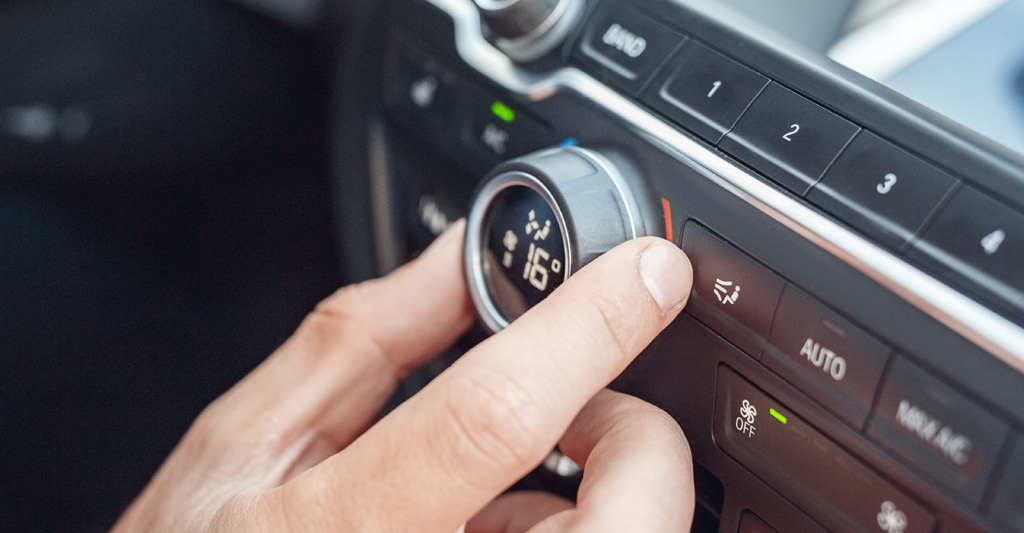
Driving modes are predefined vehicle settings that modify throttle response, steering feel, regenerative braking strength, traction control, and suspension dynamics. And in the Cadillac Lyriq, these modes are tuned to deliver varying degrees of comfort, performance and efficiency based on road condition and driver preference.
Unlike conventional internal combustion engine cars, EVs have instantaneous response to accelerator pedal input. So even tiny differences in throttle mapping could have a major impact on battery usage. When you’re changing modes, you’re basically telling the vehicle how aggressively or conservatively you want it to draw on its stored electrical energy.
Tour Mode and Its Effect on Battery Usage
Tour Mode is frequently the default mode. It is a good compromise of comfort and efficiency.
In Tour Mode:
- Throttle response is smooth and moderate
- Steering remains light and comfortable
- Regenerative braking is optimized for everyday driving
Battery drain in this mode is steady and predictable. You won’t squeeze out the absolute highest range, but on the other hand, you won’t drain your battery too fast. Tour Mode provides a good all-around balance for city riding and highway cruising.
Numerous drivers are under the erroneous impression that this is the most economical mode, but that is not always the case—particularly on long-distance highway runs.
Eco Mode and Maximum Driving Range
Eco Mode has been fine-tuned to save battery energy and increase the distance per charge.
When activated:
- Throttle response becomes less aggressive
- Climate control usage may be reduced
- Power delivery is more gradual
- Regenerative braking may be enhanced
The demand for acceleration was lowered to avoid the rapid spikes in energy consumption which are known as one of the main contributors of battery drains in EVs.
In everyday driving, Eco Mode can eke out a decent number of extra miles on your range—particularly in stop-and-go traffic. However, it may seem a little less responsive than other modes.
For drivers with range maximization at the top of their priorities, especially on long journeys, Eco Mode is generally the best.
Sport Mode and Increased Battery Consumption
Sport Mode gives priority to performance rather than efficiency.
In Sport Mode:
- Throttle response becomes highly sensitive
- Acceleration is quicker
- Steering tightens
- Power output increases
EVs provide instant torque and in Sport mode this power is unleashed on the aggressor levels. Agrément of driving while exciting, it engorges battery consumption quite a lot.
Quick acceleration requires large bursts of energy from the battery. Use of Sport mode on p-plates While Sport mode can reduce range, many P platers may be surprised to learn that it also significantly reduces range.
This setting is recommended only for brief periods of spirited driving – not for range-sensitive trips!
Custom Driving Modes and Battery Behavior
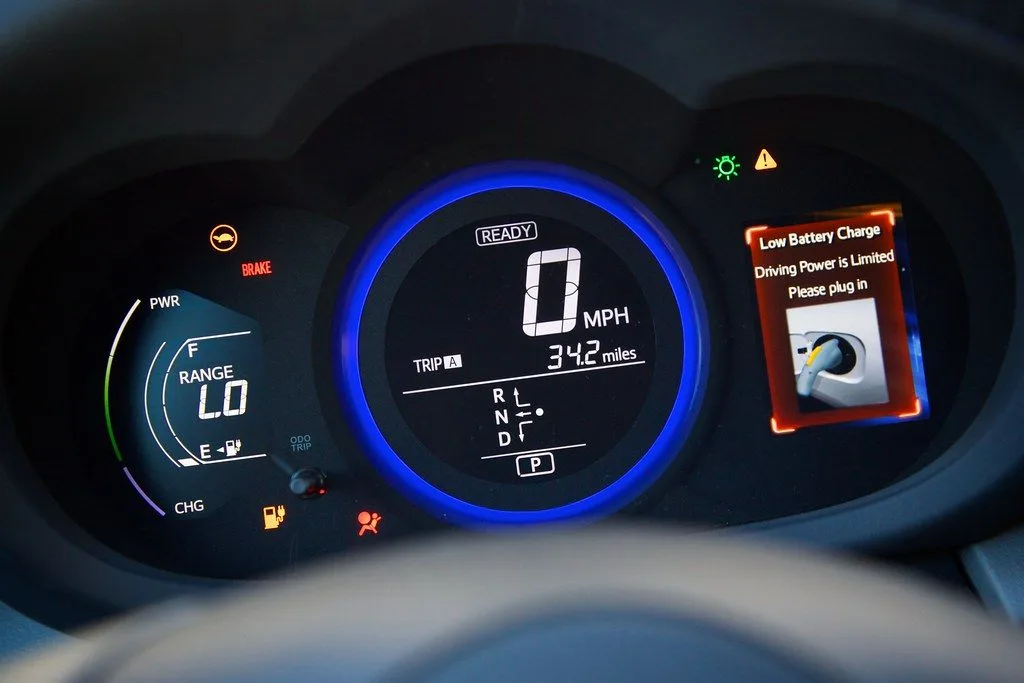
Through Custom Mode, the driver of the Cadillac Lyriq can adjust a few settings so they suit their preference.
Custom Mode can adjust:
- Steering sensitivity
- Suspension comfort
- Regenerative braking level
- Throttle mapping
How much it affects battery range is entirely up to how you set it.For example:
- Strong regenerative braking can recover more energy
- Softer throttle response improves efficiency
- Aggressive throttle settings increase consumption
Drivers familiar with the operation of these features can fine-tune an Eco-Performance balance per their driving style, without having a radical impact in range.
Snow and Ice Mode and Energy Use
Snow and Ice Mode is intended for use in slippery conditions. It limits the torque delivery to a certain amount to prevent the wheels from spinning and also increases the sensitivity of the traction control.
In this mode:
- Acceleration is gentler
- Power is distributed more carefully
- Traction systems are more active
While it could potentially have a small impact on efficiency as a result of the higher system intervention level, Snow Mode usually does not have a significant effect on battery range. Smoother acceleration, however, can at times save energy.
But it’s not just the batteries: cold weather affects EV performance. When the temperature drops, the battery becomes less efficient, affecting range far more than the driving mode.
Why Driving Modes Change Battery Usage
The key reason driving modes affect range is energy demand.
EV batteries deliver energy instantly. The more aggressively you accelerate, the more power is being used at once.Driving modes affect:
- Torque output
- Throttle sensitivity
- Climate system intensity
- Regenerative braking strength
Aggressive power usage results in higher energy usage. Conservative power usage results in lower consumption.
There’s also a big part that regenerative braking plays. More regen recovers more kinetic energy during slowing down and returns it to the battery for more range.
Driving mode combined with driving style defines overall energy efficiency.
Which Driving Mode Is Best for Long Distance Driving?
For long journeys, the best mode traditionally depended on the type of road:
- Highway cruising: Eco Mode or Tour Mode
- Urban traffic: Eco Mode with strong regenerative braking
- Mountain roads: Custom Mode with balanced throttle and enhanced regen
Eco Mode is usually a safe bet if you want to get the most distance out of your battery. It reduces wasteful energy consumption and encourages more efficient driving.
But holding streaks of speed and avoiding speed-ups is more vital than the mode itself. A serene driving attitude in Tour Mode can occasionally surpass that of a hasty driver in Eco Mode.
Final Thought
The driving modes are not simply luxury features—they have an impact on how your EV consumes energy. In the Cadillac Lyriq, each mode has a unique function. Eco Mode helps make every mile go farther. Sport Mode batteries provide exhilarating acceleration at the expense of range. Tour Mode is supposed to offer a balance for everyday usability between the two other modes. Snow Mode provides improved handling on slippery surfaces.
Knowing how these modes relate to battery behavior gives a driver the information needed to make intelligent decisions on the road, make the best use of limited charging opportunities, and maximize the value of an EV investment.
The real secret? Driving habits are just as important as your mode of choice.
FAQs
1. Does Sport Mode permanently damage EV battery range?
Nothing. Sport Mode doesn’t harm the battery, but aggressive acceleration very frequently does increase short-duration power draw.
2. Is Eco Mode always the best option?
To optimize the range, yes. But I guess some drivers were more comfort minded and preferred Tour Mode.
3. Does regenerative braking increase range?
Correct. Powerful regenerative braking recovers energy and returns it to the battery.
4. Does cold weather affect EV range more than driving modes?
In many cases yes. Batteries can lose efficiency in the cold.
5. Can Custom Mode be more efficient than Eco Mode?
Maybe, when set up with smooth power delivery and strong regen braking.
About the Author