Introduction: The Rise of Soulslike Games in Modern Gaming

The Soulslike genre has generated one of the biggest format renaissances in the industry and is now reckoned among the best. Gone are the days when gamers were content with mindless button inputs or linear narratives. They seek for complexity and challenge in meaningful, strategic gameplay along with relevant advancement. Soulslike games offer all of this, but in a way that makes you feel rewarded for your effort rather than frustrated. Born from revolutionary FromSoftware design principles, the genre has grown into a world-wide phenomenon which continues to inspire action RPG design.
What really makes Soulslike games distinctive is their sense of justice. They’re tough, but they’re hardly unjust. Every enemy attack is programmed. Every boss has a weakness. Every death teaches a lesson. This is a formula that, in 2026, still holds firm and strong, as classic titles and modern masterpieces alike still dominate not only player starew but also streaming platforms and competitive audiences.
This guide to the best Soulslike games to play now will not only tell you what makes them great, but why these games continue to define the genre.
The Origins of the Soulslike Formula and Its Lasting Influence
The Origins of the Soulslike Genre This painful fact was confirmed once again with the release of Demon’s Souls. This was the time when mainstream games were far more difficult and less accessible. Demon’s Souls went against the grain with brutal combat, scarce checkpoints and a dark, cryptic world that didn’t spoon-feed players. Patience was required and persistence was rewarded.
Dark Souls is when the genre really became popular. Its seamless world design, stamina-focused combat mechanics, and narrative-driven exploration forged a pathway that many future games would follow and emulate. Retreating your lost resources on death, managing stamina, and memorizing foe patterns became crucial pillars of the Soulslike formula.
With titles like Dark Souls III perfecting the formula, the genre would go on to achieve cult status worldwide. As time went on, other developers embraced the style, adding their own flair but capturing the essence of challenge and mastery.
Elden Ring: The Open-World Evolution of Soulslike Gaming
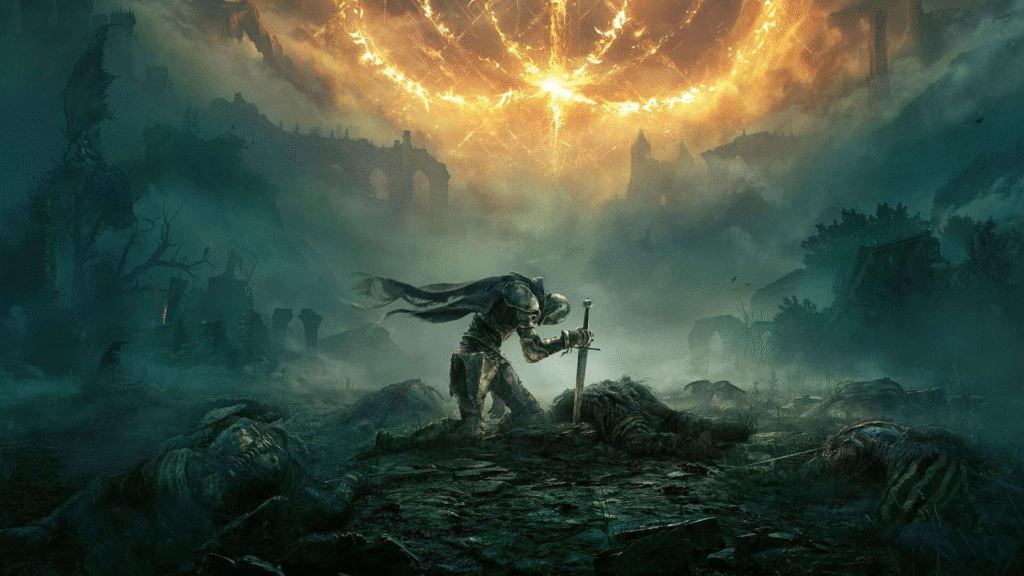
You cannot talk about the best Soulslike games of 2026 without bringing up Elden Ring. Elden Ring, developed by FromSoftware, took the classic Soulslike formula and made it into a sprawling open world known as the Lands Between. This transition introduced for the first time a brand new level of freedom for players to roam, level up, and tackle challenges in numerous manners.
Rather than basing the design on earlier entries that forced players down narrow progression routes, Elden Ring lets players walk away from challenging bosses, uncover hidden dungeons, obtain better equipment, and then go back stronger. This versatility makes it one of the most accessible Soulslike titles for beginners while still offering ruthless boss battles for veterans.
Elden Ring continues to be one of the most streamed and replayed Soulslike experiences in 2026 thanks to its mind-boggling build variety. Players, no matter if they want magic, strength builds, dexterity melee, or hybrid types, can experiment endlessly as the game doesn’t lock away options and instead encourages experimentation. With the open-world design, also replay value has been increased since players occasionally find new secrets even after hundreds of hours.
Sekiro: Pure Skill and Precision Combat
Elden Ring is all about build diversity, but Sekiro: Shadows Die Twice has a completely different design ethos. This title strips away the conventional RPG type leveling systems and instead emphasizes almost wholly on player skill. Perfect execution, with perfectly timed parries and relentless focus, is what the posture-breaking combat system requires.
Sekiro is still one of the hardest soulslike games you can play in 2026. Stat checks: Boss fights feel like checks on your stats, not really duels. A player can’t grind to become stronger than the enemies; instead, they have to transform themselves — and by extension their reflexes — by memorizing enemy movesets. This system lends itself to one of the most rewarding systems of progression in video game history, where progression comes from skill, not gear.
More than five years on from its release, Sekiro is still renowned for its tight combat and smooth animations. For those who desire a pure skill-based experience, it simply has no equal.
Bloodborne: Aggression, Horror, and Atmosphere
Bloodborne is undoubtedly one of the best Soulslike games when it comes to atmosphere. Taking place in the gothic city of Yharnam, it discards defensive shield-based gameplay in favor of offensive risk/reward mechanics. Instead of teaching players to hold up their shields to block attacks, Bloodborne incentizes them to strike back and keep the offensive momentum.
Summary Its Lovecraftian horror themes, eerie soundtrack, and grotesque enemy designs make it a ride that you’ll never forget. Bloodborne still pulls in new players in 2026, as its relentless pace and dark storyline have made it a fan favourite.
What really makes Boodborne the best is its world design. The crisscrossing roads, back alleys and secret streets invite the player to explore while at the same time, surprise is lurking around every corner. Some of its bosses are still arguably the most iconic in Soulslike history.
Lies of P: Modern Innovation Within the Genre
“Among the new wave of Soulslikes, Lies of P has stood out as one of the best outside of FromSoftware. Based around the story of Pinocchio, Lies of P features a much darker narrative coupled with tight combat mechanics.
Lies of P also features a weapon crafting system in which players can combine a variety of blades and handles to create different types of blades with different stats like speed, reach and scaling. This innovation keeps combat fresh and strategic. Praise for the game’s design continues with the game in 2026, especially for its boss design, balanced difficulty curve, and performance optimization.
It shows that the Soulslike formula can be changed without being lost.”
Nioh 2: Deep Combat Customization and Mythology
Team Ninja’s Nioh 2 puts its own twist on the Soulslike genre with complex stance-switching combat and Japanese folklore themes. NIOH 2 has high, mid and low stances in combat just like the first game, but here each stance takes stamina up or down and alters speed and power consumption.
It’s a system that brings additional depth and rewards players with a higher skill level. By 2026, Nioh 2 is still one of the most mechanically dense Soulslike titles to play. It also adds a Diablo-like gear progression to its loot system, providing even more replay value and engagement in the long run.
Remnant 2: Blending Gunplay with Soulslike Challenge
Remnant 2 is also taking a bold turn by mixing the third-person shooter formula with Soulslike difficulty. Players don’t just punch their enemies but also fire guns and move with stamina management, dodge-based mechanics.
This hybrid approach allows Remnant 2 to cater to fans of shooters who want a challenge, while still being accessible for the general audience. It’s that randomised world generation that helps make no two playthroughs exactly the same. Co-op multiplayer mode still draws players with shared challenges in 2026.
Why Soulslike Games Continue to Grow in Popularity
There are many reasons behind the rising popularity of Soulslike games in 2026. First, they treat the player with intelligence. Rather than endless tutorials and commands, they wean players off the hand-holding and encourage them to experiment and learn. Second, they offer significance wins. Beating a tough boss after so many tries feels really good and that is something casual games just don’t do.
Also, the genre has received increased visibility thanks to streaming culture. Watching expert players overcome near-impossible challenges motivates them to do the same. Community debates, challenge runs, and speedrunning marathons are the genre’s lifeblood.
The Best Soulslike Game for Beginners in 2026
For those new to the series, Elden Ring is typically suggested first as a result of its open-world nature. People can bypass really tough fights and build their character up slowly. Lies of P provides a more structured progression that introduces core mechanics gradually, step by step, to players. Remnant 2 is a good middle ground to help shooter fans transition to the genre.
A better selection of a beginner’s first run through the series can do a lot in terms of making the newcomer’s experience more enjoyable and less frustrating.
The Future of Soulslike Games Beyond 2026
Looking forward, the Soulslike genre is as popular as ever. Developers are still experimenting with new themes, mechanics of combat, and combinations with other gameplay styles. Gaming technology advances enable bigger worlds, smarter AI and more detailed environments.
The impact of FromSoftware’s design ethos still resonates in the development of today’s action RPGs. Be it on open-world adventure, precision-based dueling, or co-operative hybrid systems, Soulslike titles are undoubtedly leaders in challenging gameplay design.
Conclusion: Which Soulslike Game Should You Play Right Now?
If you want the complete open-world Soulslike experience, Elden Ring remains the best option in 2026. When it comes to pure combat skill, Sekiro is intense to a degree no other game offers. For gothic horror and aggressive gameplay, Bloodborne is still iconic. When it comes to modern twist, Lies of P can not be ignored. For intricate and challenging combat Nioh 2 has no equal. And if he’s a co-op shooter fan, Remnant 2 offers a fresh twist.
Soulslike games aren’t just about challenging gameplay: They are about growth and patience and the emotional power of triumphing over adversity. In 2026, this genre continues to show us what true challenge in gaming really is.
About the Author