
introduction
Are you now ready to dive into the world of GDTJ45 Builder? Whether you are an experienced developer or just getting started, the knowledge of how to edit code through this console will bring your projects to the next level. The GDTJ45 Builder interface also provides some unique options that are highly configurable to cover all sorts of development scenarios.
Today, in the world of digital age, you should know how to hack and mod your code if you want to build cool-stuff in both the layers. This is your one-stop shop to everything you need to know, from how to start your project to how to fix common problems. So wear your coding hat and let’s explore all that GDTJ45 Builder has to offer!
Understanding the GDTJ45 Builder Environment
The GDTJ45 Builder is a powerful developer platform that allows efficient building of GDTJ45 code. Designed for speed, it has a simple yet efficient user interface and is either very suitable for beginners or power users.
Getting around the workspace is a breeze. Tools, libraries, and documentation are readily available to the users. Integration creates an environment where productivity and ideas flow without the need for interruptions.
The environment also provides flexible templates and a rich set of pre-defined functions. They can use existing resources to shorten project delivering with quality assurance.
Collaboration is also a key feature within GDTJ45 Builder. Teams can also benefit from the built-in version control to collaborate more effectively and ensure everyone is always on the same page as the changes develop.
Key Features of the Software
The GDTJ45 Builder software provides a nice GUI that helps you to work faster while coding. It is easy for the developers to find their way through the different options without being confused.
A key feature is a powerful code editor with syntax highlighting and autocompletion. Writing goes faster, and errors go down, a lot.
Third-party tool integrations improve the workflow efficiency. Whether you need version control, debugger, or any other utility, smooth integration will keep your projects moving.
Even collaboration works well here. Several developers can collaborate on real-time to make things smooth and effective teamwork.
Furthermore, the software has a comprehensive documentation which can be found within the software. It is invaluable if you need to fix a known problem, or to use an advanced replay option.
How to Edit Code GDTJ45 Builder Software: Step-by-Step
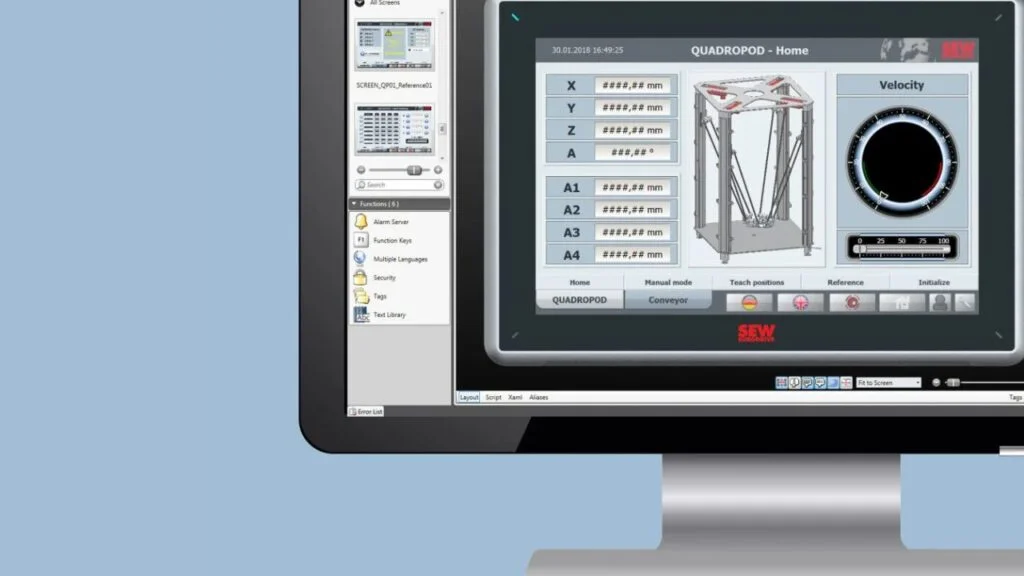
When you get into the GDTJ45 Builder, the very first thing you do is create a project. Begin by opening the application and clicking “New Project.” This is the beginning of the coding journey.
Next up is accessing the code editor. From the Main menu, select Edit Code. This is when you start getting creative. ..
Feel free to make any changes you want once you are in the editor. From editing functionality to creating new features, this is a playground for ingenuity.
After editing have testing and validation. Do your runs through the built-in tests to catch errors early.
Finish with documentation. Keeping a changelog not only helps track the progress, but also helps others who potentially want to collaborate in your idea to understand your work cleanly.
Step 1: Project Initialization
eginning your path with GDTJ45 Builder is on line project creation. This Step is the most important One and everything depends on it.
Get started by with the GDTJ45. Once you have launched it, what you will see is a Beginner Guide which is extremely simple to follow to configure things right out of the box. Tap Add and select “New Project” to start a new workspace with preset configurations.
Now set the rules for your project. Decide on a name that makes sense for what it is and pick the right options for your platform — web, mobile, desktop, etc.
After you have all these setup, you can go on to add the libraries and depedencies that you need for your project. It will save you time after, when you start to dive into editing code.
Don’t hurry this stage: A good amount of initialization will save you headaches later when you try to pull together the various elements of your application. It’s all about building the solid foundation for a good coding experience later on.
Step 2: Accessing the Code Editor
Using the code editor in GDTJ45 Builder is easy. After your project is created, you should see the main navigation panel on the screen. The code editor icon often looks like a pencil or brackets.
This will pop a new window dedicated to coding. You have an organized interface where all the files and folders related with your project are located. The design is simple and straightforward and you can access different parts easily.
Familiarize yourself with The Syntax Highlighting. This makes it easier to read, because different parts of your code are colored according to the type of code they are – which also makes it easier to find errors, or to quickly locate a particular part of your code.
For those who love keyboard shortcuts, GDTJ45 comes with many predefined commands to navigate quickly around the editor. These will help you get up to speed faster as you get stuck into editing.
Step 3: Performing Code Modifications
Now that you have the code editor opened, it is time to get started on code edits. That’s when you start listening to your creative intuition.
Start by studying the existing code. Know What They Do and What You Can Do With Them Know what each they do, and what you can do with them. “Whether you’re adding a feature, or you’re fixing a bug, it’s important to be clear in how you’re submitting it.
Make your changes in stages. Even simple changes need to be done incrementally to be sure they don’t cause hardcore problems later on. Document your process with comments: This also doubles as a road map for you, and anyone else working with this code in the future.
When you’re done cutting and pasting, don’t jump right to saving everything. Check each change before you proceed. Watch out for any syntax errors or logical mistakes that could cause problems in the future.
Keep testing in this phase too – you want to make sure the new changes will play nicely with the old.
Step 4: Testing and Validation
Now that you have the code editor open, you’re ready to begin making code edits. That’s when you start to pay attention to your creative instincts.
Browse the existing code to get started. What They Are What they do, and what you can do with them Know what each they do, and what you can do with them. “Whether you’re adding a feature or fixing a bug, it’s important to be clear in how you submit it.
Make your changes piecemeal. Even simple changes need to be gradual so as not to cause hardcore problems later on. Document your process with comments: This is also a road map for you, and anyone else who might be working with this code in the future.
After cutting and pasting, don’t immediately save everything. Before you go on, Check Each Change. Be mindful of any syntax errors or logic errors that might come back and bite you in the future.
Keep testing in this phase too – you want to make sure the new changes will play nicely with the old.
Step 5: Finalizing and Documentation
After you’ve changed your code, you need to commit your changes. That’s when you really need to start paying close attention to everything.
Start by looking at the edits you have made. Make sure they are what you want for your project and they complies with the coding standards. A thorough review may also help identify any missed errors or inconsistencies.
Now for the documentation. Good documentation (for now) should be enough to explain the now and future reference. Explain why each major change was made and how it affects overall functionality.
Make sure to add comments in your code. Those are little reminders for anyone (including you) who ends up looking at this work later.
Save all files in an organized way. Neatening up your project folder will make working with others easier in the future – it allows others to flow through your work without stalling.
Best Practices for Maximum Efficiency
The GDTJ45 Builder is all about efficiency, so you must be organized. Begin by organizing your code in modular pieces. This technique improves not only the readability but also the debug of the code.
Frequent commenting on your code can save you time in the future. Concise explanations allow you and others to discern the underlying logic at a glance, minimizing confusion when reviewing code.
With the version control systems such as Git, every change is recorded. It really doesn’t get much easier for collaboration and to keep your work.
Take advantage of the built-in testing features that GDTJ45 offers. Regular testing facilitates early detection of problems, enabling fixes prior to becoming significant issues.
Continue to maximize your workspace with the productivity boost of high-quality organization. Eliminate distractions, and make your workflow enjoyable by configuring your layout based on your one-of-a-kind work style and focusing on your coding tasks.
Common Troubleshooting for GDTJ45
Software crashes in GDTJ45 are a pain. This problem may be due to lack of system resources, or outdated software. Make sure your device fulfils the recommended requirements, as well as staying up to date with the latest version for stability.
Execution of code failures are another major pain. These errors can occur because you have syntax errors, or incompatible libraries. You need to do a full review of your code here, using the built-in debugging features to quickly find out where your code is breaking.
Teamwork can be stymied by collaboration and version sync issues. Different versions of files might emerge when more than one programmer works on a project. The addition of a solid version control system can help to facilitate collaboration and prevent conflicts.
Keeping everything organized with documentation helps the troubleshooting headaches go away too. Add comments in your code more clearly so that I can find whatever I’m looking for easier. Having everything organised also makes it much easier for you to update or fix things down the road.
Software Crashes
Software crashes are infuriating, particularly when you’re in the middle of important work. Working with GDTJ45 Builder, you may be interrupted by a sudden crash which makes you lose all unsaved works.
Memory exhaustion or conflicting plugins are the usual suspects. Your computer might just be having a hard time with your multitasking habits. Monitoring resource usage routinely can allow you to spot potential problems before they become too big.
You need to be sure to save your work regularly. Adding in-app auto-save capabilities could be an extra layer of protection against an unexpected interruption.
Also, updating your software means you get latest bug fixes and improvements from developers. Older versions tend to be more unstable.
Think about logging errors when they happen. They also can help you if you need to contact support from the technical teams.
Code Execution Failures
Running code can be frustrating, especially when you’re already invested in your project. These problems can be caused by syntax errors or logical errors in your code that stop it from running the way you expect.
One thing that can cause this is a missing semicolon or bracket. Just one wrong character can stop the whole process. So double check for these tiny but vital things.
Another potential cause could be that the dependencies are not correctly set. If your code depends on third-party libraries, make sure they are installed and you are referencing them correctly in your project settings.
Tests should be run frequently during development to catch them early. Use the debugging functions of the GDTJ45 Builder to troubleshoot any problems found, this will allow for efficient troubleshooting and will save you time.
Collaboration and Version Sync
Working with other in GDTJ45 Builder can dramatically increase the success of your project. When working in a team with multiple developers on the same source code, communication and synchronization are paramount.
Using the built-in version control tools helps keep the team consistent. These enable contributors to more easily follow changes, and result in fewer conflicts when merging.
A structured workflow keeps everyone on the same page. Periodic check-ins are also likely to help Konsolidate Efforts and Inform All about further mods, or when new features are stable.
Add comments in code to enhance clarity. This habit promotes team-mate understanding and helps for future references on complex portions of codebase.
Maybe also have some real-time collaboration on other platforms. Services such as GitHub or Bitbucket have many more features and can be tightly integrated with GDTJ45 Builder to provide better versioning management while collaborating.
Final thought
Editing code in the GDTJ45 Builder can be an eye-opening experience. It brings windows of opportunity to methodize, organize and stylize your projects like never before.
You can pretty much go where you want in it if you know what to do. Knowing all the tools that you have at your disposal is important to work efficiently.
Tough times, get ready for them. They will also bring you the precious knowledge which will make you become more skilful.
If you really want to collaborate, don’t stop there. Brainstorming can inspire innovation and better solutions compared to working individually.
Just keep playing round with stuffnd. This will not only increase your skills but it will make the process of developing more fun!
Conclusion
Editing code in the GDTJ45 Builder is any developer’s dream come true. Learning to use this program will improve your coding ability and allow you to work on your projects more efficiently.
As you explore the features and functions, just remember to practice makes perfect. Try out different tools and techniques, and see which ones you like best.
Keeping up with best practices keeps your workflow more efficient. Take advantage of team collaboration to communicate findings and resolutions.
Have some troubleshooting tips ready, they could save you some time when it matters. Anticipation of possible problems makes for smoother rides.
Participating in community forums or support channels also may offer more assistance. Meet Other Developers Connect with other developer to grow and learn along the way.
FAQs
What is the GDTJ45 Builder?
The GDTJ45 Builder is a powerful multi-purpose program that allows developers to build, edit and manage projects. It has a user friendly interface that makes coding easier.
How do I start editing code in the GDTJ45 Builder?
In order to start editing code in the GDTJ45 Builder you have to initialize your project. Once it is initialized you can open the built in code editor where you can do modifications.
Are there specific features that make GDTJ45 unique?
Yes! Some of the prominent features are real-time collaboration, simple and friendly UI, powerful debugging and multi-language support. These are the factors that boost productivity and efficiency.
What should I do if my software crashes while using GDTJ45?
If the GDTJ45 Builder crashes, try to relaunch it or reboot your computer. If you continue to have problems, please update your software or reinstall it to make sure all components are in good working order.
How can I troubleshoot code execution failures in my project?
Common troubleshooting is to check for syntax error in your code and make sure dependencies are installed. Frequent test execution while developing is to catch those problems as soon as possible.
Is there a way to collaborate effectively with team members using this software?
Of course! Take advantage of the built-in version control and environment to synchronize changes smoothly between collaborators using Git. This reduces conflicts and teaches everyone to be transparent about where the project is.
Can I document my work efficiently within GDTJ45 Builder?
Yes! Use comments in your code heavily and also on the documentation page generated by the tool. Good documentation practice keeps you clear throughout the life of your project.
About the Author