
Who is Gillian Brown?
Gillian Brown is a household name among British weather presenters and has attracted a huge following with both her accuracy and delivery. Her authoritative expertise, combined with her passionate and warm presentation of the science, makes her one of the most recognisable faces of the BBC to many of its viewers. In addition to her meteorological work, Gillian’s story is inspiring for seeing her personal challenges, resilience, and how she has managed her career in the face of a disability. She has made the weather accessible to the public, but also speaks up for inclusivity as well as representation in the industry and media over the years.
Tell us about your BBC experiences
For Gillian Brown, a career in meteorology and with the BBC was a natural progression after years of commitment and training. Being part of one of the world’s most esteemed broadcasting corporations enabled her to hone her skills as a forecaster, connect with a broad audience, and receive professional accolades. She was accurate, communicated well and was good at simplifying complex weather information into simple messages for viewers at the BBC. Her time at the BBC also provided her with a platform to advocate for a range of causes dear to her heart, such as disability awareness and representation. Both of these experiences made her not only a professional but also someone who fights for diversity.
How did your BU experience prepare you for your future career?
Prior to joining the BBC, Gillian attended a well-known university known as BU, where she concentrated in the study of Meteorology and Environmental Science. Her education at BU gave her a strong background in scientific thinking, interpreting data, and communicating to the public — all of which would be crucial in her career as a broadcaster. The practical learning experiences, internships and research at BU gave her the confidence to speak about complex matters to a variety of listeners. Outside of the classroom, her university experience taught her to be resilient and adaptable—a lesson she would come to rely on as she faced the barriers posed by her disability in a cutthroat work environment.
Understanding disability worldwide
Disability impacts millions across the globe, but what people with disabilities can expect by way of understanding and support varies by culture. Obstacles remain in the areas of employment, accessibility, and public attitude for people with disabilities. Though there are a couple of nations on this list that have relatively robust systems of support and legal protections, they don’t really hold equal footing across the board. Focusing on disability in public life and publishing, showcasing audience figures such as Gillian Brow,n plays a vital role in combating stereotypes and could make much more inclusive and informed communities. Campaigns to raise awareness, media portrayal, and school curriculum are essential to contribute to the understanding and change the stigma around disabilities.
The Growing Interest Around “Gillian Brown Disability”

“Gillian Brown’s disability” has seen a rising interest in recent days, as more and more people are trying to find out more about her life struggles on the internet and how it has affected her career. The increasing curiosity of some of the people shows that the public wants to see good disabled people in the field of working in the mainstream. Gillian’s openness about her disability and the challenges she has faced connects with audiences and gives hope to those confronting similar battles. Her story has been cited when debating inclusive policies, workplace flexibility and the value of grit.
The Impact of Public Perception
The life of people with disabilities is largely shaped by what society thinks and feels about them. Representation has the ability to uplift, inspire, and create inclusion and can make a powerful contrast to damaging stereotypes that marginalise and misinform. Gillian Brown’s case is that her professional ability and commitment have made people challenge the assumptions they held about disabled people and made them think, stereotypically, “Oh, she’s had to work really hard to achieve this” as opposed to “She’s achieved this despite being disabled.” The fact that she appears on mainstream media tells us that we are more than the sum of our physical, or in her case, neurological, differences. In recounting her story, Gillian also helps to change the way the public views what a professional looks like.
Disability Representation in the Media
The depiction of disability in the media is a powerful shaper of public opinion. People with disabilities were rarely represented or were depicted in stereotypical fashions. Having professionals like Gillian Brown on the airwaves, bbc is essential as it normalises disability in high-profile professions and inspires those with aspirations to go for their dreams. In addition, positive representation in media creates empathy, educates, and can potentially lead to social change and a more inclusive society. Gillian being visible is a positive message around the importance of inclusive workplaces and equal opportunities in all areas.
Daisy’s School-to-Work Journey
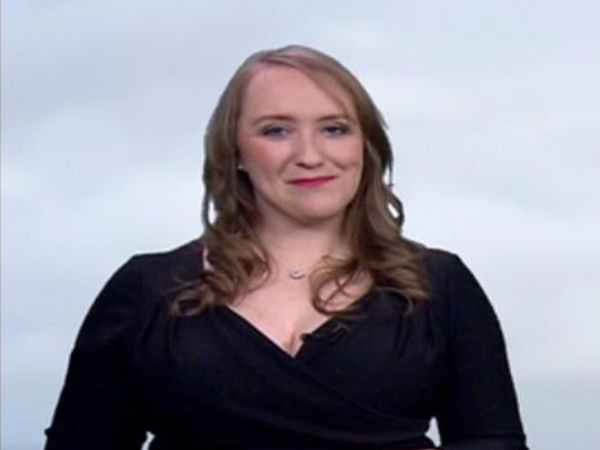
The impact of Gillian Brown is not restricted to her own professional life but inspires more to dream and go for those professional dreams, no matter their challenges. Like, for example, Daisy – a young student who wants to study meteorology - has been watching Gillian’s journey. She makes the school-to-work transition and highlights how role models such as Gillian influence career goals; provides lessons about the importance of determination, education and believing in yourself. Daisy’s journey is one of many where seeing an individual with a disability succeed in their chosen field has inspired others, proving again that mentoring and visible success stories play a crucial part in making the future more inclusive.
Final Thoughts
Visibility of disability was challenging for Gillian Brown on her journey as a BBC Weather Presenter , and this was resilience and dedication at its finest, and the power of representation. Her professional accomplishments, along with her work to promote accessibility, allow her to serve as a leading voice not just in the world of meteorology but also in the conversation surrounding disability awareness and equality. Her narrative serves as a reminder that struggles are not a limitation to what you can achieve, and for that matter, publicly accessible platforms really can be used to motivate and inform global audiences.
Conclusion
To sum up, Gillian Brown is a testament to the fact that passion, talent and perseverance can break through both societal and personal barriers. Desde sus años formativos en BU hasta su consagrada etapa en la BBC, su recorrido supone un equilibrio entre el profesionalismo y la defensa con voz enrazada. Her transparency regarding her disability and dedication to education and representation have had a tremendous impact in shifting societal attitudes and inspiring future generations. The tale of Gillian Brown is not just weather reporting – it is resilience, it is inclusion, and the changing face of media representation.
FAQs
1. What disability does Gillian Brown have?
Gillian Brown has spoken publicly about living with a disability, although she does usually share details specific to her own situation in interviews or talks to schools, etc, in order to maintain some privacy.
2. How did Gillian Brown start her career at the BBC?
After graduating in meteorology, she got her first look at the world of broadcasting, getting her feet wet with some of the knowledge and skills on air that busy life as a TV journalist would require through internships and study.
3. Why is Gillian Brown considered an inspiration?
She’s an inspiration because she’s managed to accomplish that professional success and navigate the challenges of being disabled and fighting for representation in the media.
4. How does public perception affect individuals with disabilities?
Positive public attitudes result in empowerment and social inclusion, while negative stereotypes may function as barriers and prevent chances for equal status.
5. What can young people learn from Gillian Brown’s journey?
Young people can be taught the value of resilience, education, hard work and believing they are capable of anything despite the physical or societal barriers put in their path.
About the Author