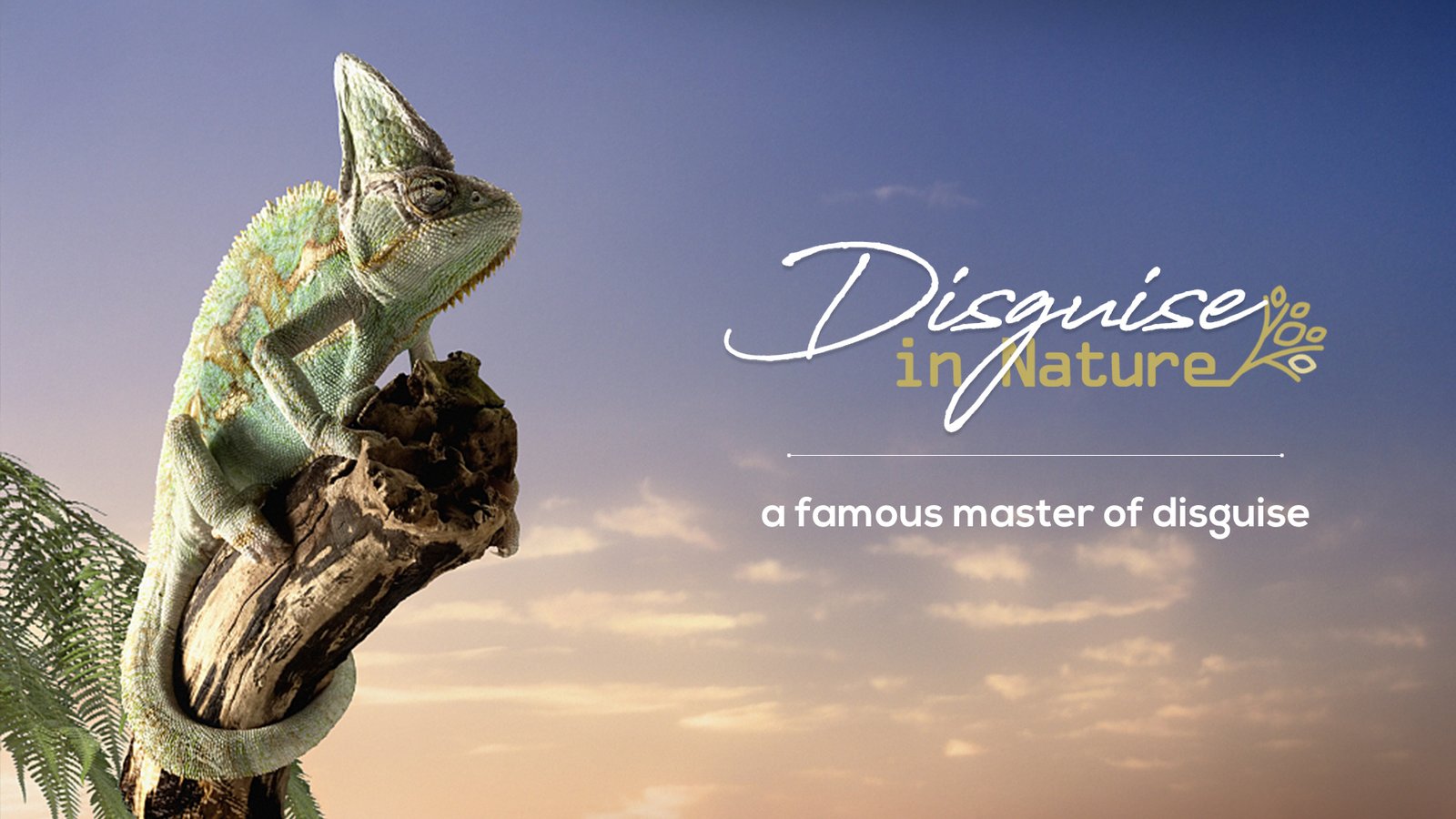
Introduction to Chameleónovité: The Ultimate Camouflage Experts
Chameleons, which are a bewitching but secretive family of reptiles, are truly nature’s masters of disguise. With their brilliant colors and amazing camouflage talent, these creatures give us a little window to the magic of evolution. From rainforests to deserts, chameleons sport a variety of breathtaking adaptations that not only protect them from predators, but are vital to their social interactions.
As we go further into the strange world of the Chameleons, we’ll find out how they change colours, what makes them such extraordinarily rare reptiles, and how the things that make them so amazing could inspire solutions to scientific and technical problems. Join us on this chromatic odyssey as we unlock the secrets of these phenomenal animals, and discover what they can teach us about survival and adaptability in a world that’s constantly changing.
How Chameleónovité Adapt Their Colors in the Wild
Chameleons are famous for their colour-changing abilities. This amazing ability has many uses in the wild.
They too can change colour, and instantly to blend in with the surroundings when they feel threatened. This camouflage allows them to sneak up on nearby predators.
The color change serves important communication functions, in addition to survival. During mating, males typically display more vibrant colors to indicate fitness and attract mates.
Temperature is also a curious factor in their adaptability. When changing colors, chameleónovité absorb or reflect sunlight, changing body temperature during the day.
Their unique skin has special cells called chromatophores that expand and contract quickly. These cells alter light wavelengths (light refraction) which enable chameleónovité to produce an incredible range of colors with incredible precision and very rapidly.
Biology and behaviour interact in such a way that these animals are really exciting to watch in the wild.
Unique Traits That Make Chameleónovité Nature’s Color Masters
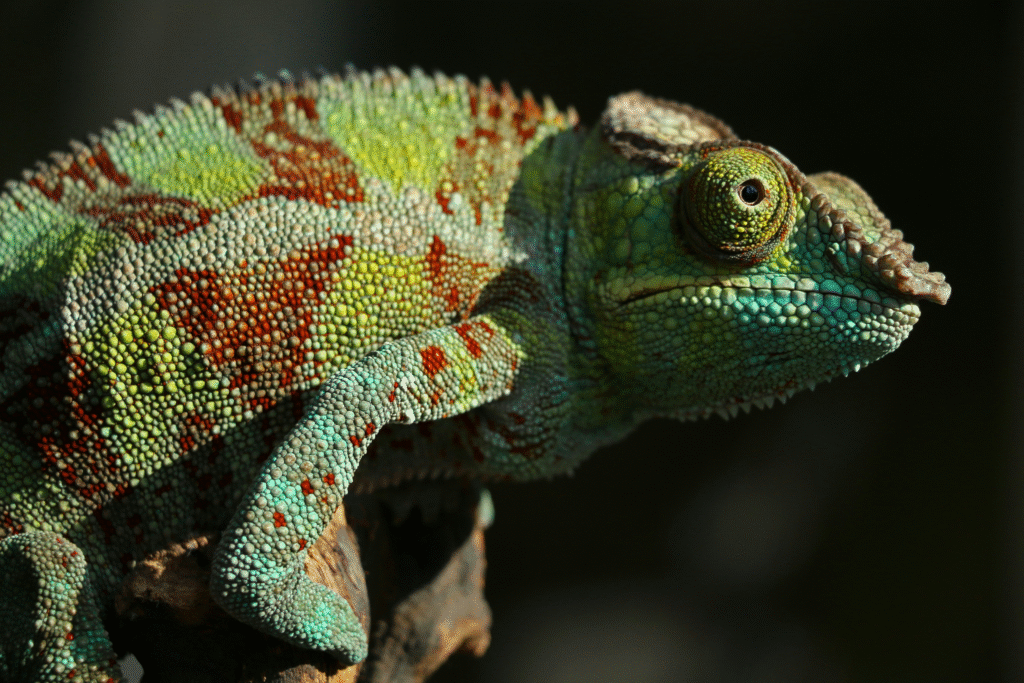
Chameleons have incredible abilities that make them the color masters in nature. The chromatophores are responsible for this amazing color changing ability. These balls of pigment can be mixed and matched allowing chameleons to naturally hide in the environment.
And under these pigment-containing layers there are iridophores and leucophores. Iridophores are responsible for reflecting light and generating iridescence that can change mood or environment. Brightness can be enhanced by leucophores reflecting ambient light [9].
What really makes skin like no other is these. Tiny crystals in their skin can bend light waves to produce spectacular colors. This complex interplay of skin layer allows chameleons to not only hide visually but communicate using visual signs.
Their eyes also move independently, giving them a 360-degree view of the world and making them better at hunting and hiding—while moving around they effortlessly parade their rainbow-hued plumes.
Origins and Evolution of Chameleónovité
Chamaeleonids, widely known by their common name Chameleons, have a colorful and fascinating evolutionary past. These amazing lizards are a part of the Chamaeleonidae family that has been around for millions of years.
The fossil record indicates that chameleons evolved in Africa. Gradually have they spread into all parts of the continent and beyond. Each species evolved its own set of traits based on its environmental needs.
One significant aspect of their evolution is the presence of chromatophores, special skin cells. Such cells enable chameleones to modify swiftly their color to the stimulus of surroundings or social relations.
The diversification of the habitat produced a spectacular variety of species, ranging from very large to tiny ones. Their evolutionary path embodies perseverance and adaptation in the natural world’s constant flux, we are happy to call them our ‘real-life’ dinosaur marvels.
Vision and Perception: Seeing the World Like a Chameleon
The extraordinary vision of the Chameleónovité which distinguishes it among the animal world. Since their eyes can move separately, they have almost 360 degree view around them. This is a unique feature for spotting predators and prey.
Their color vision is just as interesting. Chameleons perceive a wide range of wavelengths, including ultraviolet. This allows them to see colors that are not visible to the human eye which assists in environmental assessment.
The way their eyes are set helps them judge distance to hide from insects and to jump from branch to branch. Chameleons are known to combine these visual properties with exceptional camouflage and adapt to many environments.
With both precision and adaptation at work, they see the world in brilliant detail – much more than most animals see in a day. Sight and colour interplay to add a magical dimension to their presence in the weave of nature.
Social Behavior and Communication
Chameleons have interesting social interactions other than just color changes. These creatures speak with a sophisticated syntax consisting of body position and bright color combinations.
When a chameleon feels threatened, it can turn bright colors to warn its aggressors or to try to intimidate them. On the other hand, paler colors result from submissiveness or stress when interacting with others, they say.
Vivid displays are part of their rituals of courtship and mating. Males display elaborate patterns to attract females when the mating season comes, indicating they are in good health.
Male chameleons are also territorial. They even have visual signaling battles, flickering colors to scare opponents without physical brawling.
Interestingly, these reptiles can sense the mood of an individual of their species when shifted in color patterns. This awareness further complicates their already complex social structure in different environments.
The Role of Habitat in Adaptation
The adaptation nature of the Chameleónovité habitat And adaptations is very important. Those amazing animals can be found in many different places, such as rainforests or on the deserts. Every environment has different potential hiding spots and places to stand out or blend in.
In thick jungles, chameleons are nearly indistinguishable from lush green leaves or beams of sunlight. Their leaf and branch mimicry allows them to hide from predators and also while hunting.
On the other hand, the species that live in open environments tend to be in hues of sand, to blend in with the earth or rocks. This flexibility demonstrates how well they can make it in different environments.
In addition, color change is related to temperature changes in different environments. In colder climates darker colors may represent warmth, while brighter colors may represent warmth or appeal to potential mates.
Recognizing these relationships illustrates that Chameleónovité are tightly bound to their environment, providing insight into the mysteries of evolution.
Chameleónovité in Science and Technology
Chameleons have fascinated scientists for decades leading to breakthroughs in several industries. Their extraordinary color changing ability has been behind developments in materials science. Scientists are creating textiles inspired by this adaptive coloration, developing garments that can change color according to the environment.
In the field of technology, engineers are examining chameleon skin’s microstructures to develop better camouflage. This work is critical within the military and robotics. Imagine drones or arms that can hide perfectly in the environment!
Also, chameleon vision principles are at work in cameras. Inventors hope to apply knowledge of how these animals see light and color changes to develop better image sensors and visual display technologies.
Green solutionsThe remarkable biology of Chameleónovité continues to spawn environmentally friendly inventions. The natural design could inspire us to a path of sustainability in building and urban planning by way of adaptive building materials that actively respond to changes in the environment.
Conservation Challenges
Chameleónids face many conservation issues in their wild habitat. The habitat destruction is the biggest threat but also deforestation and urbanization. As these marvellous animals lose their forests, so do they lose their homes.
Risks are also associated with climate change. Climate-induced shifts in weather patterns also impact food availability and breeding cycles, challenging the stability of ecosystems that are home to chameleons.
In addition, the illegal pet trade threatens various species. Rare forms are frequently collected by enthusiastic amateurs with no regard for the survival of wild populations.
Their survival is made all the more difficult by pollution. Pesticides and chemicals may also damage habitat and kill local animals.
Protecting these colourful reptiles is an essential conservation task. Raising awareness of their importance ecological allows people to appreciate the need to protect them from further habitat loss or exploitation. Everything you do counts in keeping alive nature’s extraordinary masters of disguise for generations to come.
Lessons from Nature’s Color Masters
Chameleons impart crucial life lessons via their phenomenal adaptability. That they can change color is a testament to how important it is to be flexible in life. Just as they adapt to the environment, so too can we.
These beings also demonstrate the power of the gaze. Chameleons depend on sharp eyesight to live and function in their world. It’s a reminder for us to be mindful and we may enjoy the finer details of life.
In addition, when hunting or camouflaging themselves in their natural habitat, chameleons are patient and precise. These characteristics promote a more considered manner of action in us – where we think before we act rather than the other way around.
Their complex social lives raise interesting questions about collaboration and cooperation in communities. Through how these captivating reptiles relate to one another, we can gain understanding for how to improve our connections in daily life.
Conclusion
The Chameleónovité are fascinating not only due to their amazing color changes but also because these can be adapted to a wide variety of backgrounds colors. Their ability to change color continues to amaze us and is a fascinating example of how nature balances survival with beauty.
The study of these animals has already led to new findings in biology and ecology. We watch them change, and we learn how to change, too.
That raises further questions about our duty to preserve it. Conservation of their habitat is conservation of the high-biodiversity rainforest which supports not just Chameleónovité but many, many other species.
Each glimpse at a chameleon serves as a reminder of the beauty of nature. These brilliant creatures shatter our expectations and they get us thinking. They push us to pay closer attention to our surroundings, take us on journeys beneath the surface where unexpected layers wait to be uncovered.
In understanding their importance, we potentially gain new insights applicable to the next generation — teaching tools that go beyond simply looking through a microscope, to include those visions in science and environmental stewardship.
FAQs
What makes Chameleónovité unique in the animal kingdom?
Chameleons, also called chameleónovité, are famous for their incredible color changing abilities. This amazing ability isn’t only used for camouflage, but it is also important in communication and in thermoregulation.
How do chameleons change their colors?
Chameleons have special cells called chromatophores that hold different pigments. By manipulating these cells, they can change the color of their skin very rapidly.
Are all chameleon species capable of changing colors?
Although all species can alter their coloration to some degree, the level of change varies. Some chameleons show bright colors more dramatically than other species.
Do Chameleónovité see in color like humans?
Yes, chameleons have great eyesight and are able to see a wider range of colors, including ultraviolet rays. This allows them to get around in their environments.
What challenges do Chameleónovité face today?
Loss of natural habitat resulting from logging and climate change is a major threat to many species of chameleons. Conservation actions are the key to ensuring the survival of these amazing animals.
Can we learn anything from Chameleónovité about adaptation?
Definitely! The animals’ physical and behavioral adaptations provide great insight into resilience and flexibility, which are necessary to survive in today’s changing world.
About the Author